
Learn more about how to maintain your vehicle's tires.
How Long Do Tires Last?
Generally, tires last for approximately 60,000 miles. Since the average American drives roughly 15,000-20,000 miles per year, most people tend to replace their tires every 3-4 years or so.
However, there’s a lot that goes into how long tires last, plus ways to elongate your tires’ lifespan, and signs that indicate you need new tires. The team at Faulkner Automotive Group wanted to lay these details out for our customers in the Harrisburg, Mechanicsburg & Trevose areas, so we created this guide. There are several factors that may cause you to require new tires sooner. These factors include:
- Poor road conditions
- Speeding
- Quicks starts and stops
- Extreme temperatures
While some of these are completely out of your control, like the weather or road conditions, you can make some simple changes to your driving technique that will help you get more out of your tires.
For example, you can check your speed and stick to posted speed limits. Also, be sure to give your car time to gently accelerate from a complete stop to avoid unnecessary wear and tear. As a bonus, doing this may even help your fuel economy.
How to Make Your Tires Last Longer
In addition to checking your driving techniques, being vigilant about tire maintenance can help to make your tires last a bit longer. Make sure to regularly do the following:
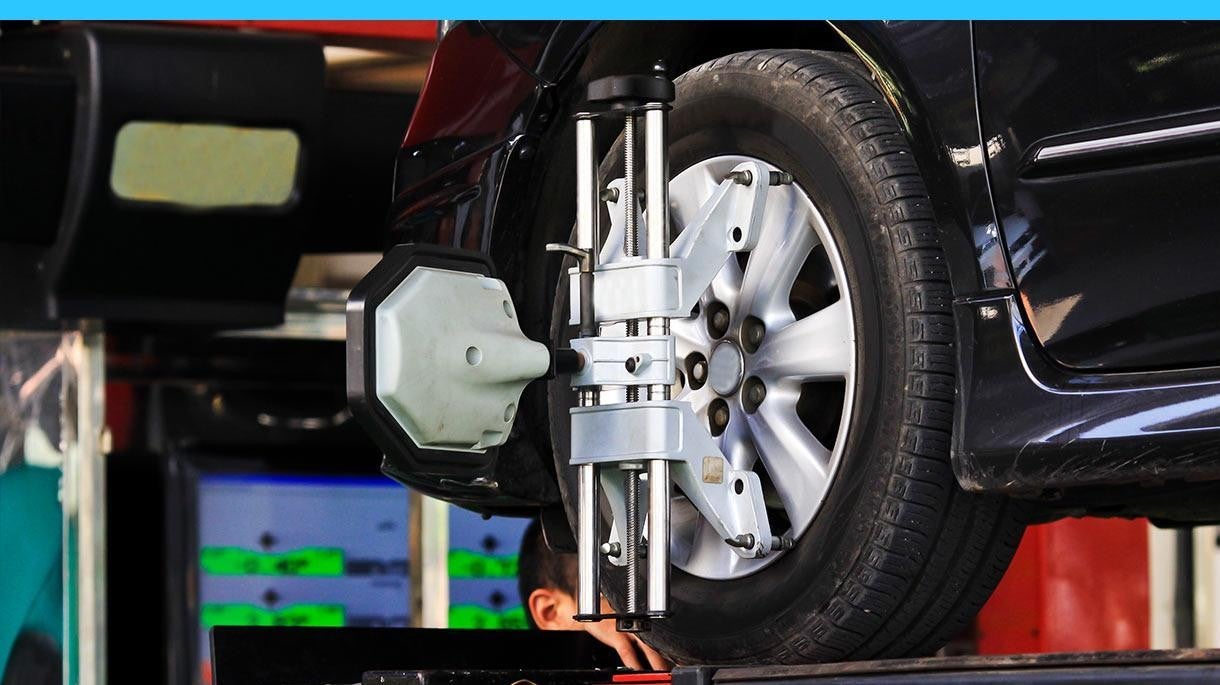
Balance and Align Your Wheels - Over time, the weight of your tires may become imbalanced, leading to uneven wear. You should have your wheels aligned approximately every two years, or 20,000 miles (whichever comes first).
Check Your Tire Pressure - Many cars are equipped with a Tire Pressure Monitoring System (TPMS) that will let you know if your tire pressure is low. This is usually a dashboard symbol that looks like a yellow exclamation point in a triangle. It’s often accompanied by a chime.
Rotate Your Tires Often - Every time you bring your car by for your 7,500-mile oil change, also have your tires rotated to avoid uneven wear. This happens because front-wheel drive cars wear out the front tires sooner than the back. The opposite is true for rear-wheel drive vehicles. Having your tires rotated can help counteract this.
Signs you need new tires
While you should still be diligent about getting a new set of tires every 3-4 years, you should also keep an eye out for signs that your tires are wearing faster and need to be changed sooner. These are signs like:
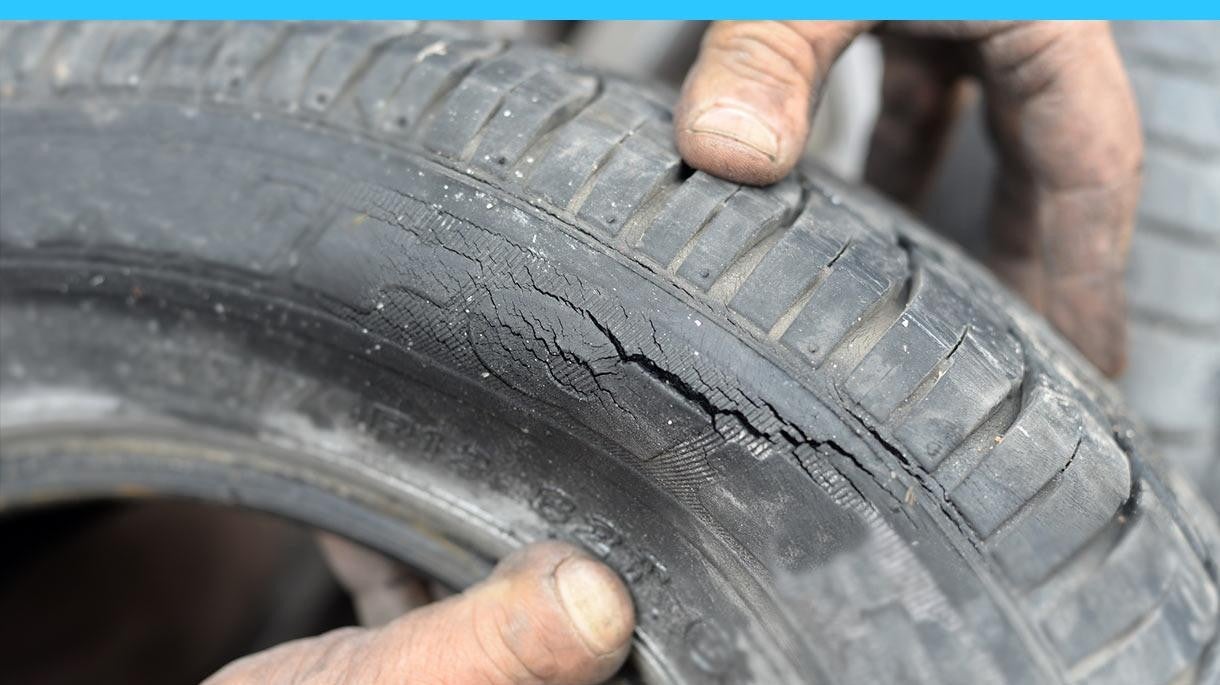
- Cracks on the sidewall
- Bulges or blisters on the outer surface
- Vibrations, even on smooth roadways
Be sure to check for these signs at least once a month, especially if you don’t drive your vehicle regularly, as your tires could develop dry rot and be more prone to blow-outs.
Cracks or Blistering - If you live in a region that experiences regular changes in temperature this can result in your tires wearing down and drying out quicker than normal. Excessive rubbing or traveling over rough roads also can play a factor. If you notice any spider web cracking or blisters starting to form along the tire’s sidewall, immediately schedule a service appointment to have it replaced.
Low Tire Pressure - Your Tire Pressure Monitoring System or “TPMS” light looks like an exclamation point enclosed within a horseshoe and appears whenever your tire’s air pressure dips below a safe level. If you notice this light continues to appear, it’s a sign that at least one of your tires has a slow leak that needs to be fixed or replaced.
Strange Vibrations - While it’s normal to experience a small amount of vibration, especially when traveling over a rough roadway, excessive bouncing or vibrating shouldn’t be ignored. If you notice this sensation when coming to a full stop, it could be the result of poor tread depth or an issue within the tire. If you notice your vehicle pulls to one side or takes longer to come to a full stop, it might also be a sign that your wheels are unbalanced and need to be realigned. This can easily be performed by a certified technician who will also check for any signs of excessive wear.
Tread depth and the Penny test
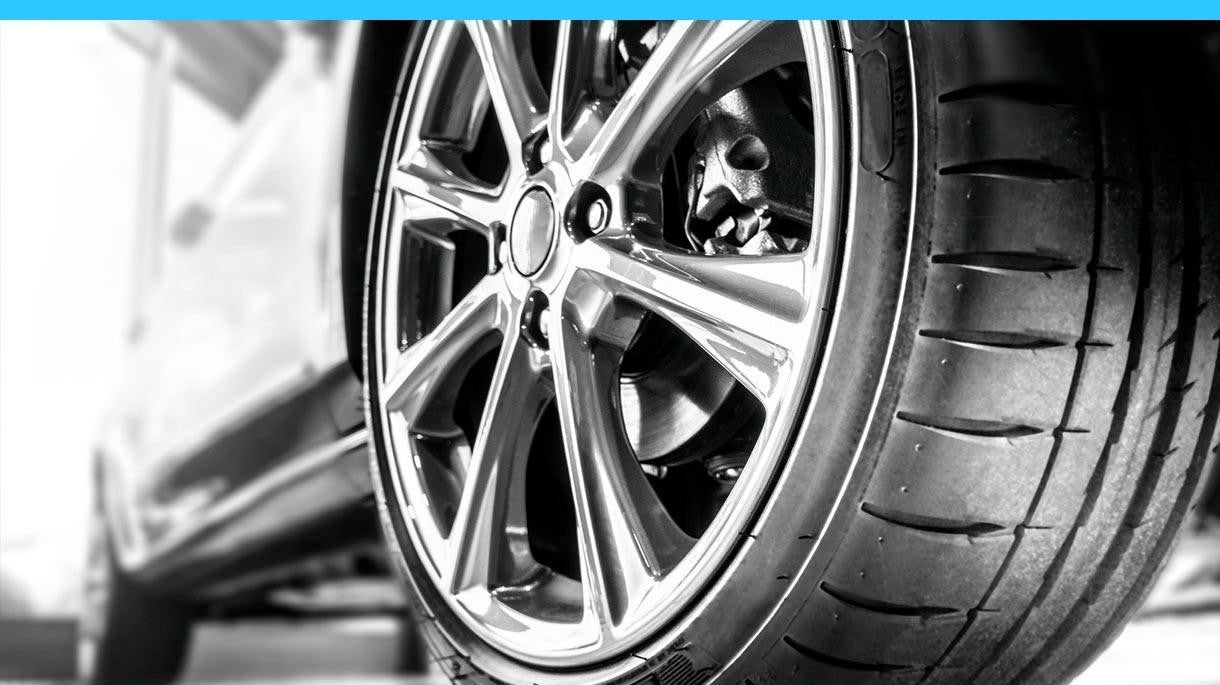
Your tire’s treads are what make actual contact with the road and provide the proper grip needed to effectively maneuver and brake. Healthy treads on a typical passenger vehicle measure above 4/32nds of an inch. Shallow treads place an increased burden on your vehicle’s internal system causing expensive engine or brake parts to prematurely wear down.
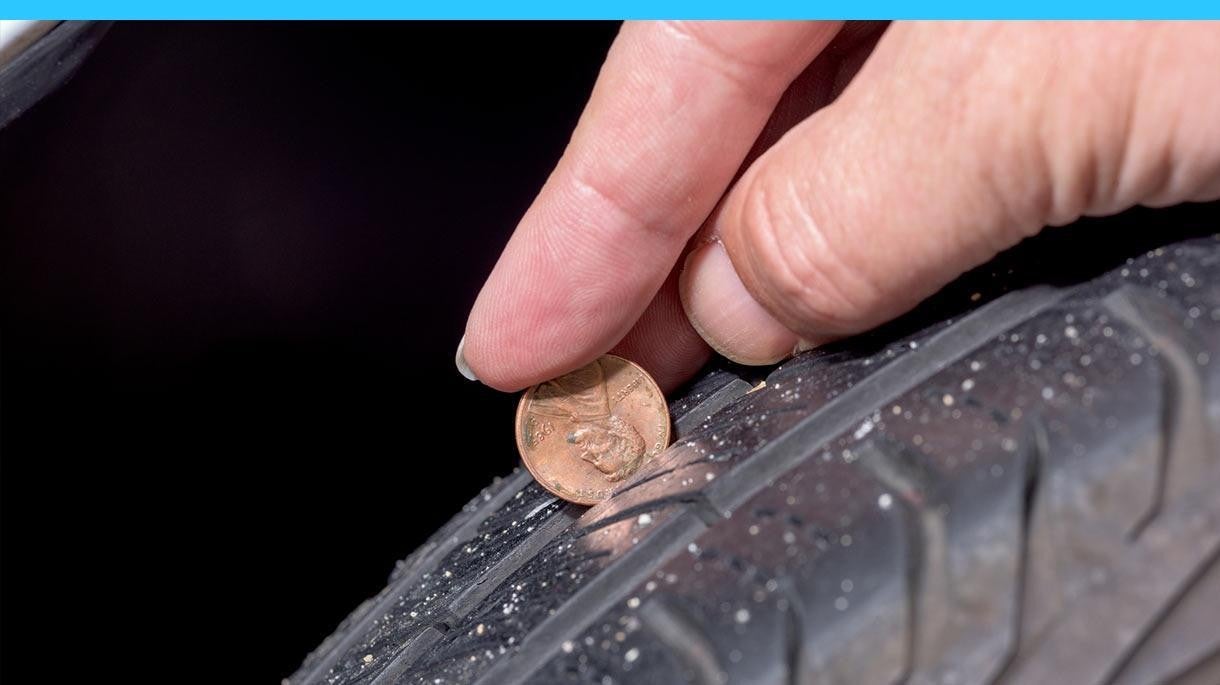
The Penny Test - A simple way you can check your vehicle’s treads is by placing a standard penny into the tread groove with the top of Lincoln’s head facing into the tire. If all or most of his head is obscured, then your tread depths are in good condition.
On the other hand, If his head is fully visible it means your tires are bald and are too dangerous to use. Immediately schedule a full or partial tire replacement and avoid driving until they can be inspected by a certified technician.
How to Check tire PSI
While most modern vehicles come equipped with a Tire Pressure Monitoring System (TPMS), this feature is designed to only alert you when one of your tires PSI levels dips 25% below the manufacturer’s recommended level. This should be used only as a safety device and not a maintenance tool.
Should this light ever appear while on the road, immediately head to the nearest service center or gas station to have each tire inspected. In the meantime, most service professionals recommend checking your tire’s PSI levels at least once per month.
The good news—when you follow these steps, the process is surprisingly simple to perform:
Look Up the Required Tire Pressure - PSI levels vary depending on the size of the tire and type of vehicle you drive. Your owner’s manual can tell you the exact level each of your tires should be inflated. You also can retrieve this information from the inside of your driver’s door well.
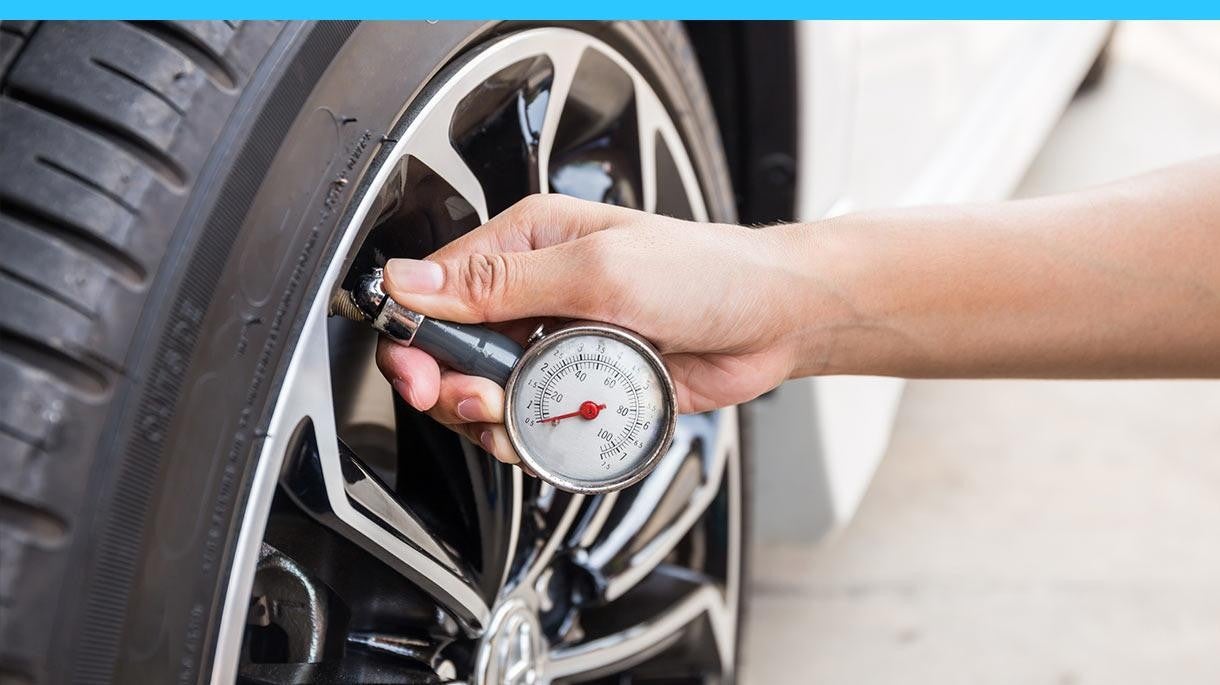
Use a Digital Tire Gauge - While traditional gauges are helpful in a pinch, it’s recommended you use a digital gauge to ensure accuracy. Remember, every 1 drop in PSI can lower your MPG by as much as 0.2%. This can quickly start to add up if ignored for long enough.
Unscrew the Valve Cap - Press the digital gauge making sure the nozzle and pin are securely fastened. It should only take a few seconds for the gauge to retrieve a reading. Return the valve cap to the nozzle and repeat this step with each tire.
Fill the Tire with Air - Using a tire pump, fill each tire to the recommended PSI level while paying close attention so you don’t over-inflate the tire.
If you accidentally add too much air to the tire, simply press the back of the gauge onto the air valve to release the extra pressure. Over inflated tires round out the tread section causing the center to prematurely wear down.
Schedule Tire Service Today!
From simple tire rotations to full replacements, our certified technicians are here to keep Harrisburg, Mechanicsburg & Trevose drivers safe while on the road.
If you have any questions or need a helping hand, visit Faulkner Automotive Group or go online to schedule a service appointment today!