
Learn more about how to maintain your vehicle's batteries.
Car Battery Voltage
Have you ever wondered what voltage is my car battery? Well, the battery is one of the most important components of a car, as it’s what powers the vehicle and all the electronics inside it.
If the vehicle isn’t performing as well as it used to, then a low voltage battery may be to blame. Below, we’ll tell you what the voltage of a car battery should be. We’ll also tell you how to check that, along with signs that a new battery may be needed near Harrisburg, Mechanicsburg or Trevose.
Read through our informative guide, then contact Faulkner Automotive Group for battery service.
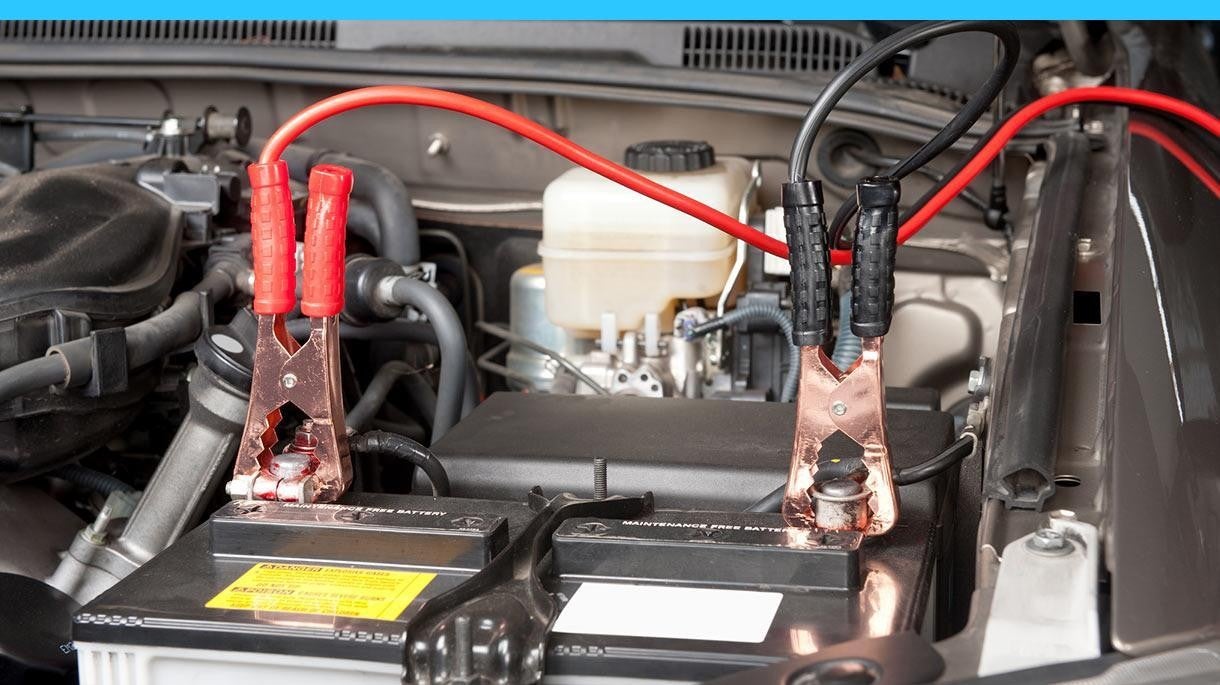
A fully charged battery should read 12.6 volts or above. When the engine is running, that number should be between 13.7 and 14.7 volts.
If the battery is reading at 12.4 volts, then it’s 75% charged. At 12 volts, it drops to 25%. Once the battery reads at 11.8 volts, it’s considered to be completely discharged.
Car Battery Test
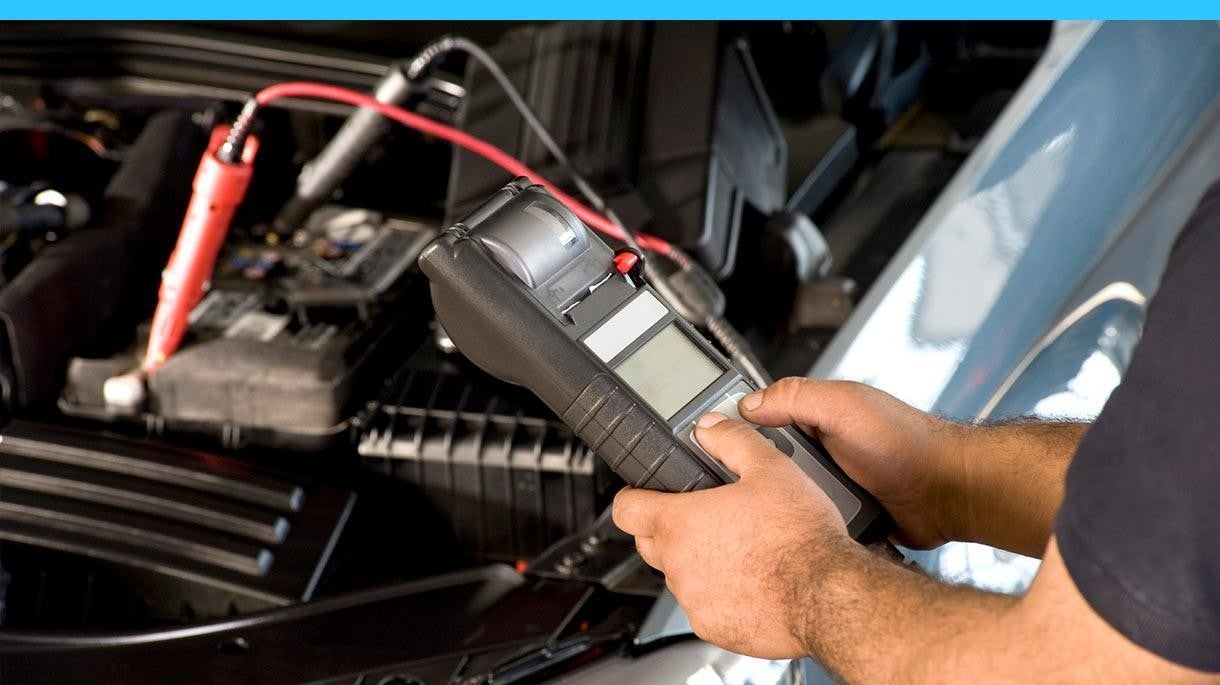
In order to check the voltage of a car battery, you’ll want to test it with a voltmeter. Make sure to put on a pair of gloves and goggles to protect yourself, and then perform the following steps:
- Turn the vehicle and all its lights off.
- Connect the positive (red) voltmeter to the battery’s positive terminal.
- Connect the negative (black) voltmeter test lead to the battery’s negative terminal.
- Check the reading to see the current voltage of your car battery. Anything lower than 12.2 volts, and it’s identified as a bad battery.
Car Battery Lifespan
If you’re having trouble starting your car near Harrisburg, Mechanicsburg, and Trevose, you may be starting to suspect a failed battery. If so, you may also be wondering: Just how long does a car battery last?
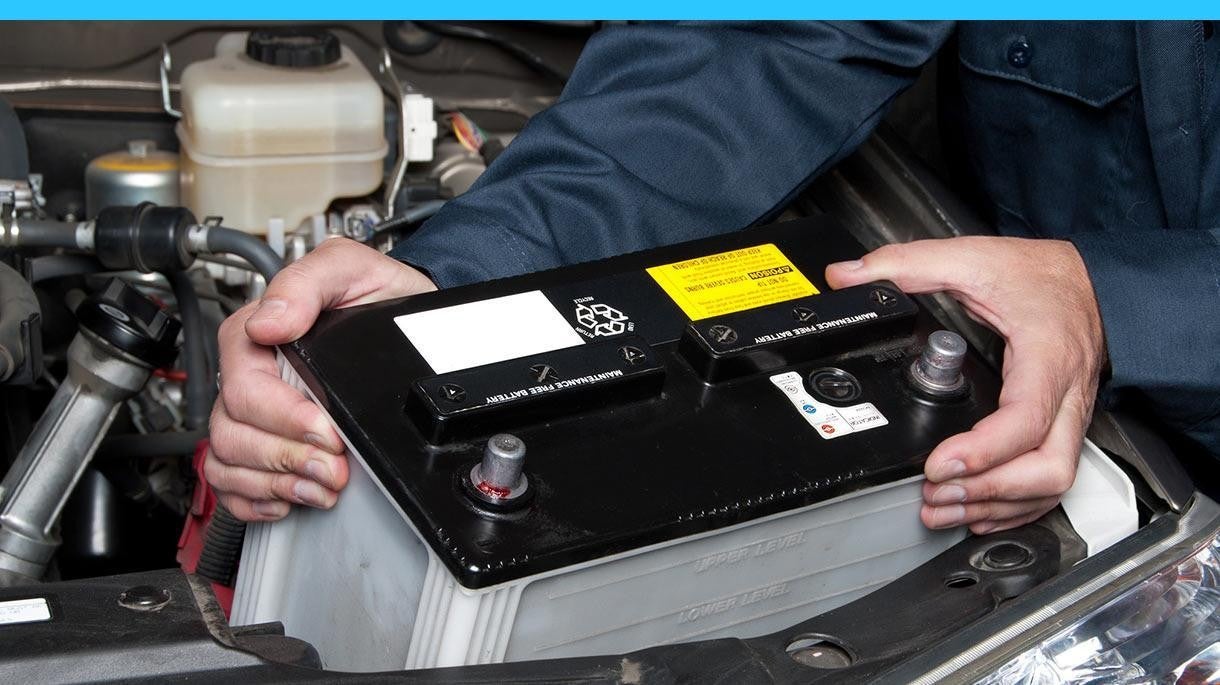
On average, a car battery’s lifespan lasts from two to five years. However, there are many factors to account for in addition to exceptions to the rule. At Faulkner Automotive Group, we’ll help you explore them all. We’ll also give you some tips on extending your battery’s life as well as signs to look out for that may mean you need a replacement. Reach out to us with any questions!
Under ideal conditions—no high temperatures, humidity, etc.—you can expect the average car battery to last roughly six years. Of course, no conditions are perfectly ideal, but car batteries will generally last longer in the northern United States where heat is less of a factor. Pennsylvania drivers can rejoice!
Hybrid batteries are a different story though. They’re much more sophisticated components, and oftentimes, they’re designed and engineered to last the entire lifetime of your car. In real-world numbers, that typically falls between five and 10 years, depending (as always) on usage, mileage, environment, and how well you care for your car.
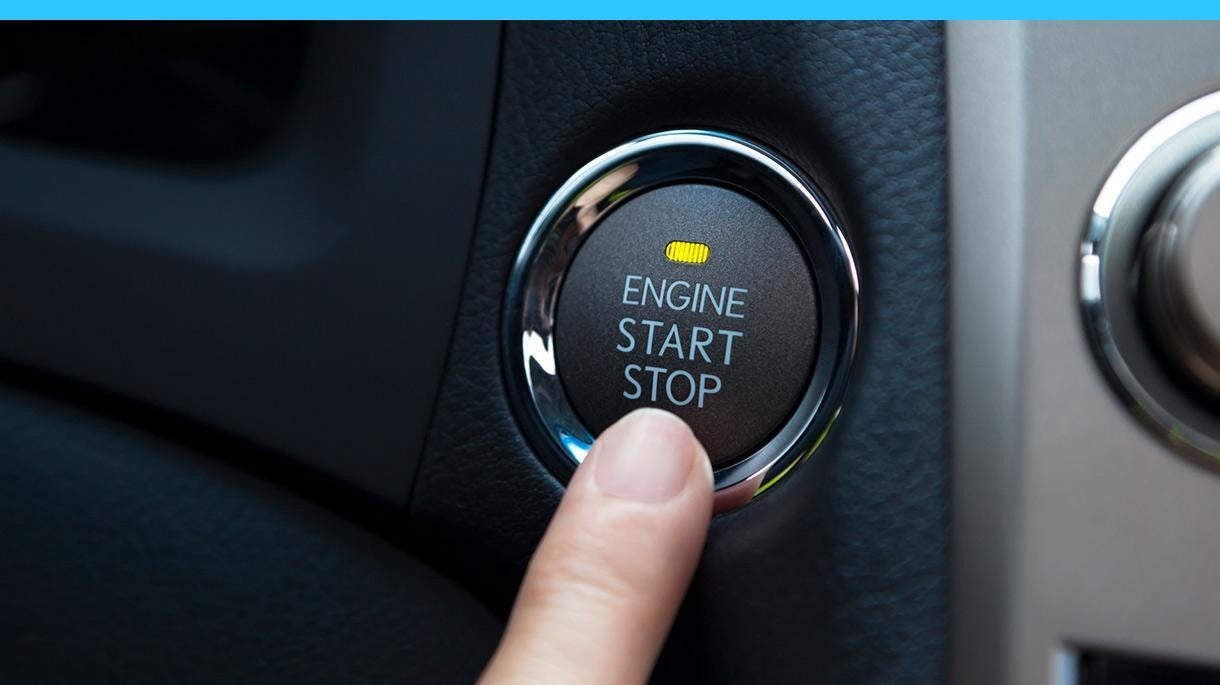
Extending Car Battery Life
Obviously you want your car battery life to fall at the high end of the range. What’s the best way to make that happen, you ask? There are several tricks to extending your car battery life. These include:
Limit short rides: Longer drives give the battery a chance to fully charge, which is optimal for long battery life.
Turn electronics off: When the engine is off, turn off all lights (especially headlights) as well as the radio and air conditioner, as these systems all drain the battery when the engine isn’t running.
Inspect your battery often: Ensure that the battery is fastened tightly and check terminals for corrosion. You can also test output voltage level with a car battery tester.
Warning Signs You Need a New Car Battery
A bad battery is usually five years old and won’t accept or hold a charge. It also can’t produce adequate cranking amps. Those are the number of electric currents that a lead-acid battery at 32 degrees Fahrenheit can deliver for 30 seconds.
Essentially, it’s how much power you have to start your car in most climates. If the car battery doesn’t produce enough cranking amps, then your car may not start. At that point, you’d have to get a new battery.
Keep in mind, many symptoms of failing batteries can also be symptoms of other unrelated problems, which is why you should always have the problem inspected by a licensed technician before assuming the cause.
Unfortunately, no car battery will last forever. Even so, there are clear telltale signs when you need to replace your battery, and it’s wise to watch for them.
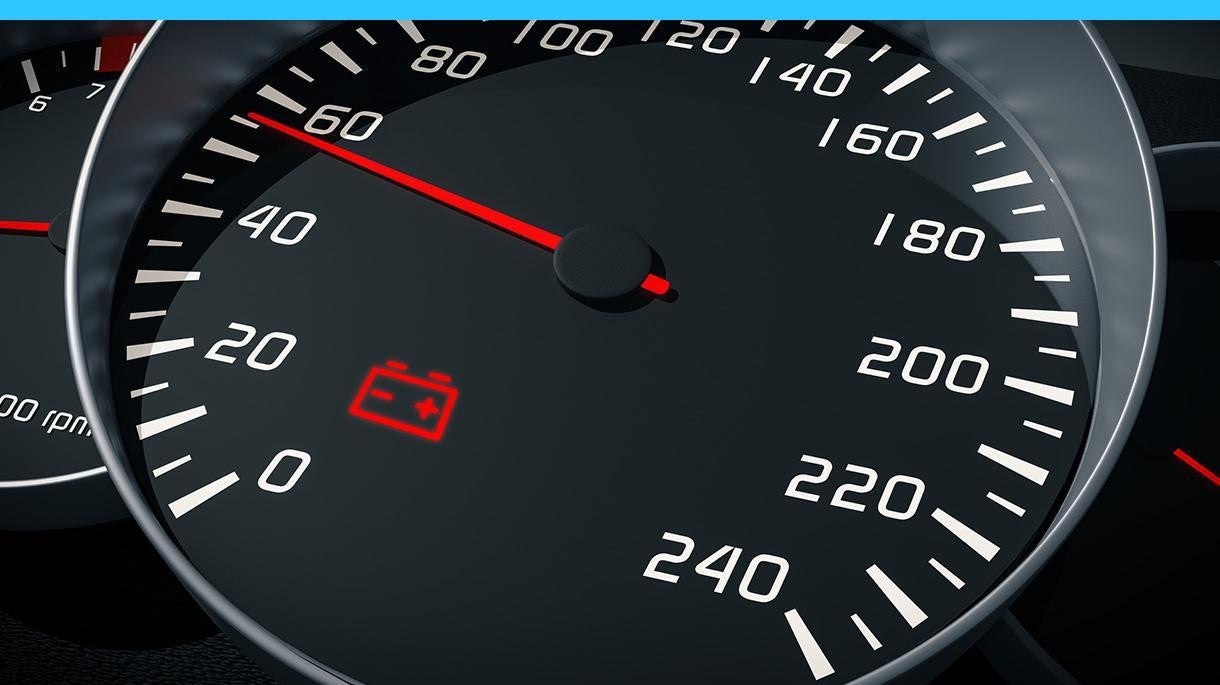
Sluggish start: If the cranking of the engine is continually slow and the engine takes longer than usual to start (or doesn’t start at all), you may need a new battery.
Visible damage: A swollen or bloated battery case (usually the result of heat) or a corroded and leaking battery is an obvious candidate for replacement.
Low battery fluid level: Car batteries usually have a translucent casing, so you can see the battery fluid level. If it dips below the lead plates (i.e., energy conductor) inside, then the battery needs to be tested right away.
Check engine light: This warning light can indicate weak battery power.
Lights and accessories don’t work as well: Not only does the battery start the car, but it also powers the electronics inside. So, if the lights are dimming, or the radio isn’t working properly, then the battery may be on its way out.
Schedule Car Battery Service Today
How long does a car battery last, you asked? Now that you have a rough answer to that question, you can more accurately judge whether yours is nearing the end of its natural life—or if it should have plenty of life left in it. If your car’s battery is no longer holding a charge, or it’s experiencing any of the above signs, then contact us at Faulkner Automotive Group.
Our certified technicians will determine if the battery needs a simple repair or a complete replacement. If it needs the latter, then we’ll use a brand-new, high-quality battery that fits inside your automobile perfectly.
If you live near Harrisburg, Mechanicsburg & Trevose, we invite you to contact us and schedule a battery test at any of our Faulkner Automotive Group Service Centers. We’ll make sure your battery has the juice it needs for the road ahead!