
Replacing Your Brake Pads
It’s no secret that the brakes are extremely important, and they’re what keep you safe on the roads of Harrisburg, Mechanicsburg & Trevose.
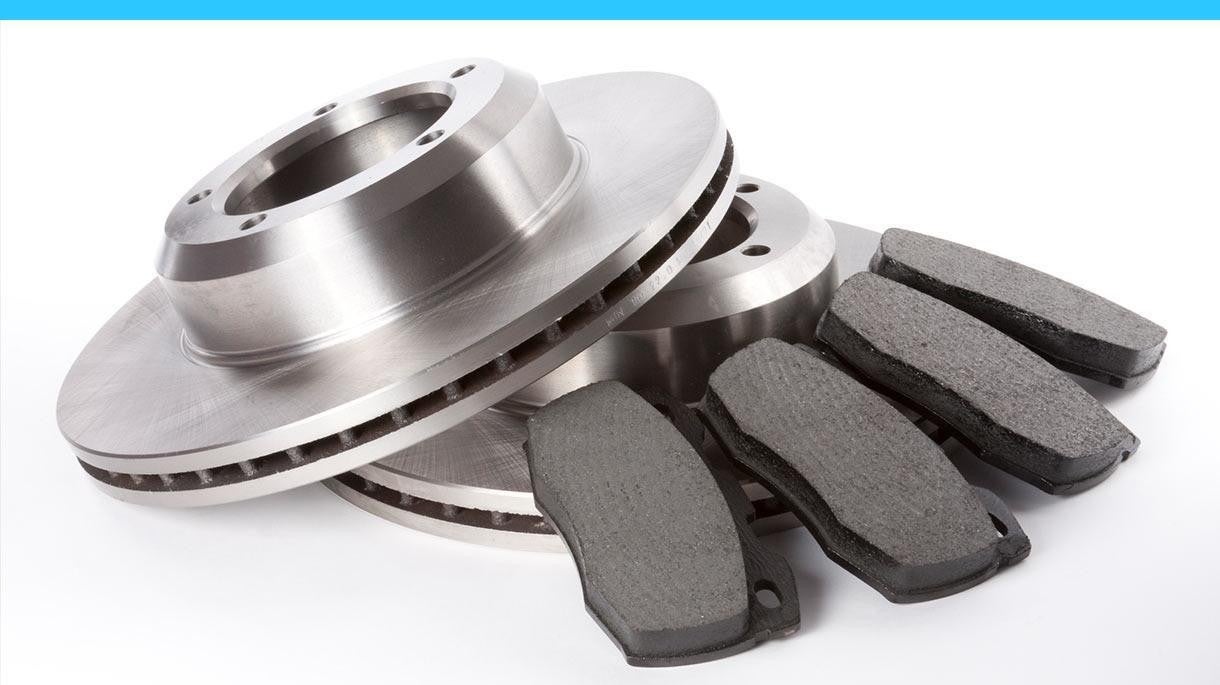
A braking system consists of many moving parts, and it’s crucial that they’re all in good shape. This includes the brake pads, which contact and apply pressure to the brake rotors, bringing your car to a stop. The pads undergo the most stress, so they can wear down quickly. We’ll tell you exactly when to replace brake pads, and how that can be done through Faulkner Automotive Group as soon as possible.
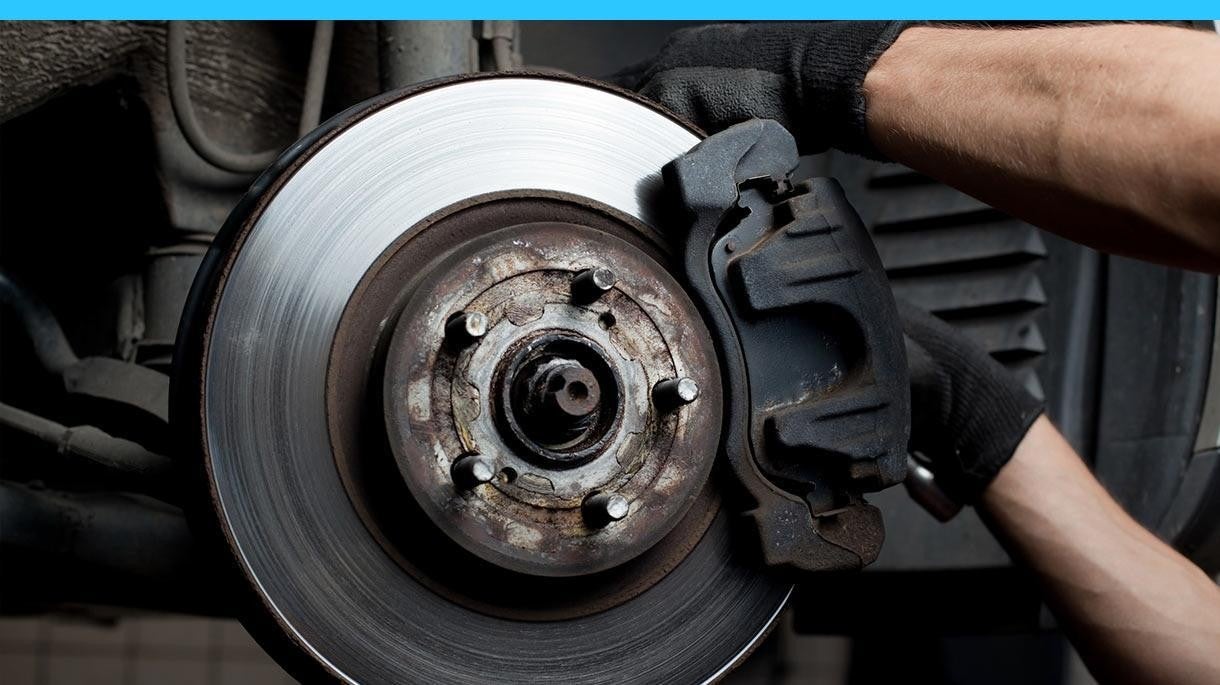
There are different ways in which your car may be telling you that something isn’t working properly and needs your attention. Your car may do this through its dashboard lights, or it might produce an unusual sound you’re not used to hearing. If you start to hear a squeaking noise, it could be your car letting you know that it’s time to have your brakes serviced and possibly replaced. The cause of your breaks squeaking can be due to a few different reasons, which is why our team at Faulkner Automotive Group has gone into detail in this helpful article on the various issues that could be causing your brakes to squeak.
Brakes are a crucial safety system in every car on the roads of Harrisburg, Mechanicsburg & Trevose. Knowing the warning signs that mean your brakes need service can be extremely helpful to maintaining safe driving conditions, so read ahead to learn more!
How long do Brakes last
Since your brake pads are a hard-working component within your car, it is no surprise that they will need to be replaced every once in a while. It is recommended to change your brake pads every 25,000-70,000 miles. The reason for such a wide range is because there are many factors at play that determine just how long your brake pads will last. Some vehicles need them changed every 25,000 miles, while others can go as long as 70,000 miles before needing a brake pad replacement. It’s important to note that these intervals aren’t 100% accurate, as many factors can affect how long the brake pads last. These include:
- Driving style
- Environment
- Type of pads used on your car
Brake Pad lifespan
Driving Habits - Your daily driving also can play a role in the lifespan of your brake pads. The weight of your vehicle and if it is usually loaded with cargo and/or passenger can wear out the pads at a quicker rate. Your speed can also be a factor on the wearing of the brake pads. When you are at a faster speed, it takes more friction to quickly slow your vehicle down. Also, making sure other parts of the braking system are in proper working order can help preserve the pads from being damaged and worn. This includes the brake fluid, which regularly should be flushed and changed as well.
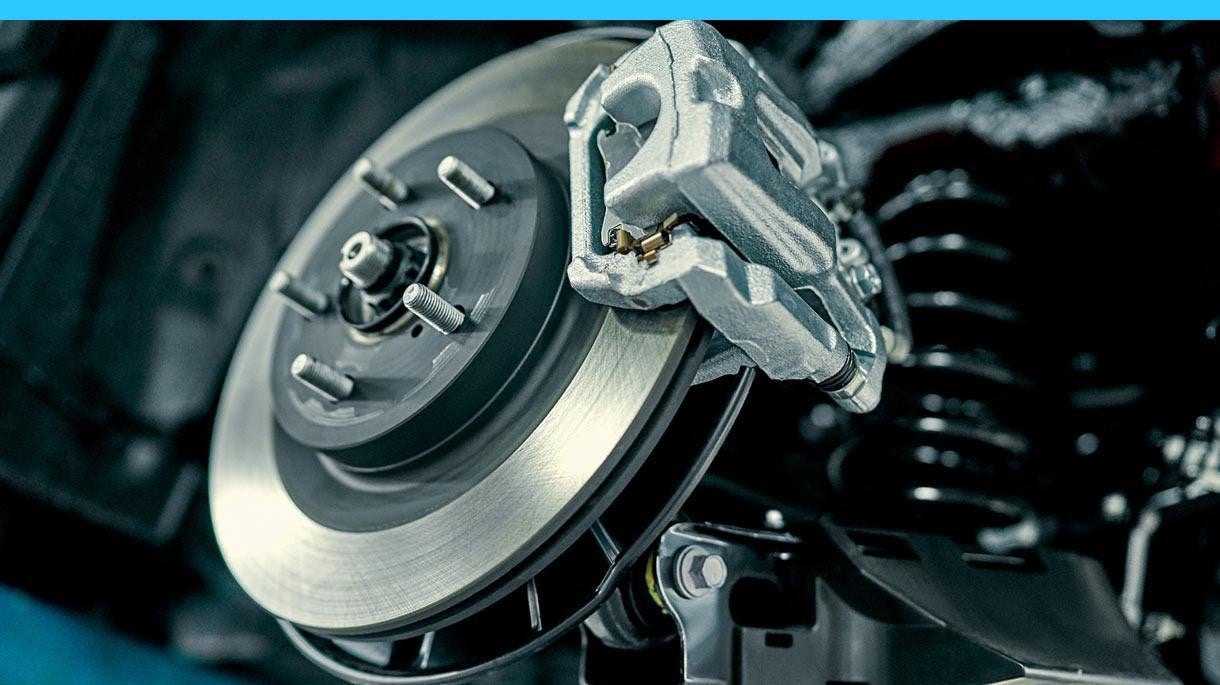
Environment - Those who drive in the city vs. out in the country may need new brake pads faster. That’s because you’re pressing down on the brakes much more frequently in stop-and-go traffic. If you regularly travel in the countryside or on long stretches of road, then you could extend the life of your brake pads.
Type of Pads - Brake pads come in a variety of materials, each providing different benefits when it comes to their performance. The main four types of pads are organic, semi-metallic, metallic, and ceramic. Semi-metallic are the most common pads found in cars theses days and usually last longer than ceramic pads but aren’t as responsive as them. Deciding which brake pads your car has can help you figure out how long they will last.
Why are my brakes squeaking
Rusty Brakes - The squeaking you’re hearing can be the result of a layer of rust on your rotors. Most likely, this is because of moisture that has collected on them. When it rains, it’s humid outside, or there’s a lot of dew in the morning, moisture getting on your rotors is almost unavoidable. This isn’t of much concern, though, since the brakes will usually rub off that rust, and the squeaking should subsequently go away.
Worn Brake Pads - Your brake pads are a crucial part to your car’s braking system—they’re what slow your vehicle down and eventually bring it to a stop as they press against the rotors. Due to that friction it’s producing to stop your vehicle, the pads also become worn down in the process. When you hear squeaking, this could be a sign that your brake pads are ready for you to schedule a service appointment to get them replaced.
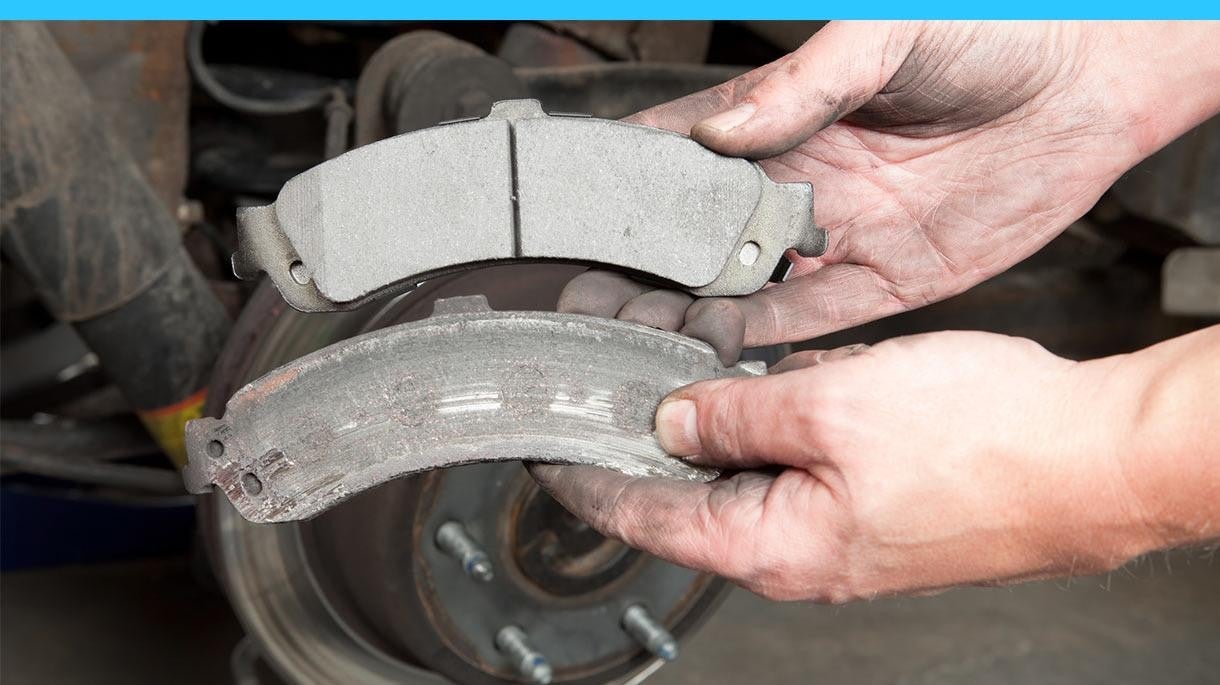
Brakes Not Properly Lubricated - The majority of vehicles have disc brakes as their standard braking system. However, some cars may have drum brakes instead. If your squeaking noise is coming specifically from the rear brakes, it could mean that you have drum brakes since they’re mostly found on the back wheels.
With drum brakes, the engineering of the system results in metal contacting more metal. Just like other parts of the vehicle in which this happens, it’s important for the brakes to stay properly lubricated. This will help things run efficiently and mitigate wear on the components of your brakes.
If you identify this is the reason for the squeaking you’re hearing, you’ll want to apply lubricant or have an expert technician do it for you.
How to Check the Brake Pads
Having a healthy set of brakes on your wheels is important for providing the best driving experience possible. At Faulkner Automotive Group, we want to show drivers in the Harrisburg, Mechanicsburg & Trevose areas what they can do to check if their brake pads are worn out. Read more to learn about what to look out for when inspecting your brakes and how you can know if its time for your brake pads to be replaced.
Look at the Pads - It’s actually pretty easy to take a look at your brake pads without having to take off your wheels. If your hub caps are exposed, you can usually see into the brake system itself allowing you to gauge the quality of the pads.
You can actually measure out your brake pads by sticking a straw along the pad until you reach the disk and marking where the straw starts to stick out from your brakes. The length between the top of the pads and the disk itself is the thickness of your brake pads. If that thickness is around 1/8 to 3/16 of an inch, that means it’s time to replace them
Keep Your Ears Out - Your vehicle is equipped with methods of letting you know your brake pads are beginning to wear thin. Probably the first sign that you should look out for is the classic squeaky brakes. Don’t think this is because of rusty brakes though, your brakes are designed to do this.
If your brakes start to wear thin, an early sign is when they have been worn down to their squealers. These patches of metal along your brake pads will start to hit your disk when the pads reach a certain thickness. When you start to hear a squealing sound coming from your brakes it’s a good sign you should get your pads replaced.
It’s important to note that sometimes weather can cause a temporary squealing sound, too. If you hear a squealing sound from your brakes after a rain storm, don’t schedule your appointment just yet. If you continue to hear that sound though, it’s good to get that taken care of as soon as possible.
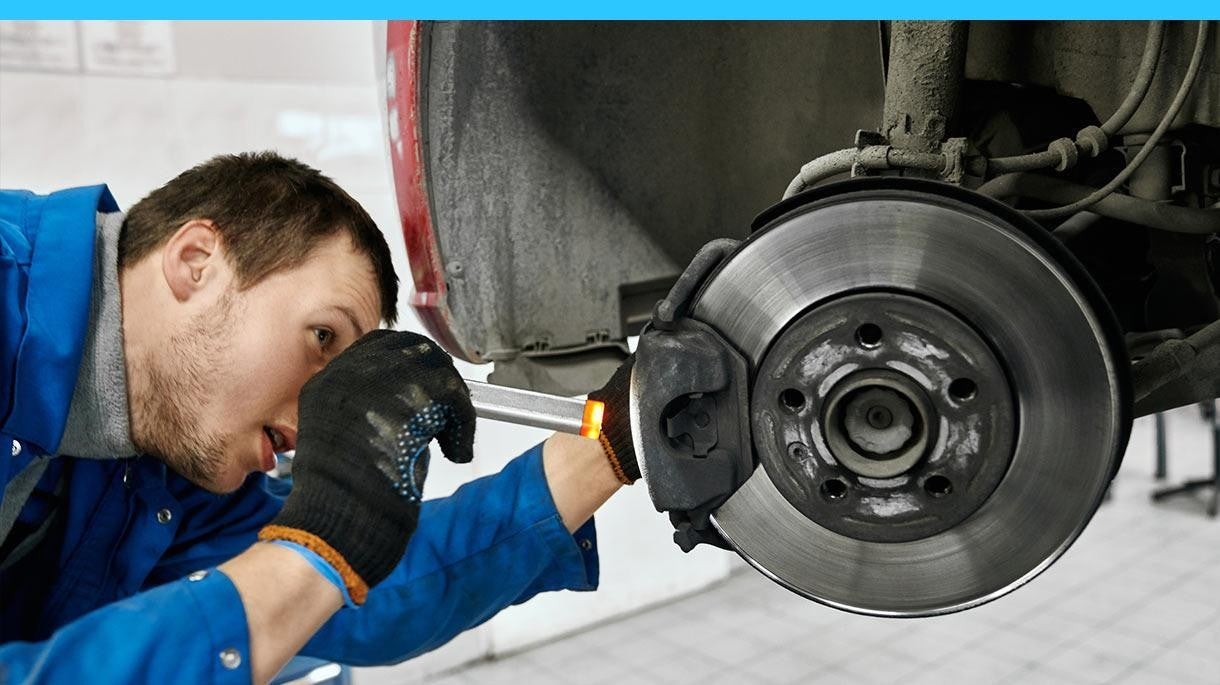
Pay Attention to How Your Car Feels - At a certain point you may start to feel your car shake when you hit the brakes. If this is happening that’s a sign that the pads are very worn down and it’s getting down to the calipers. You may even hear grinding if the pads are worn down enough. This is a sign that your disks are becoming scored and they are being damaged while you brake. At this point, the brake pads are gone, and you may need to have your brake system replaced completely.
It’s always good to pay attention to the way your car drives, too. If your car isn’t braking as quickly as it used to, get it checked out. Reduced performance is usually a sign that your car should at least be inspected.
Schedule Brake Maintenance today
The main thing to keep in mind when dealing with brake service is not to wait too long when it’s time for a brake pad replacement. At Faulkner Automotive Group, we want drivers in the Harrisburg, Mechanicsburg & Trevose areas to have to safest and smoothest drives possible.
If its looking like it’s time for your next brake pad replacement, schedule your next maintenance appointment with us online or over the phone today!