
Learn more about how to maintain your vehicle's transmission.
What Does a Transmission Do?
The transmission is what sends power from the engine to the drive wheels. A car’s engine runs at a certain RPM, or revolutions per minute. It’s the transmission’s job to send enough power to keep the engine running at a specific RPM, which it does through various gear combinations. By shifting the right gears at the right times, the transmission can maximize the engine’s efficiency. This results in fuel consumption being reduced without any changes to the driving dynamics.
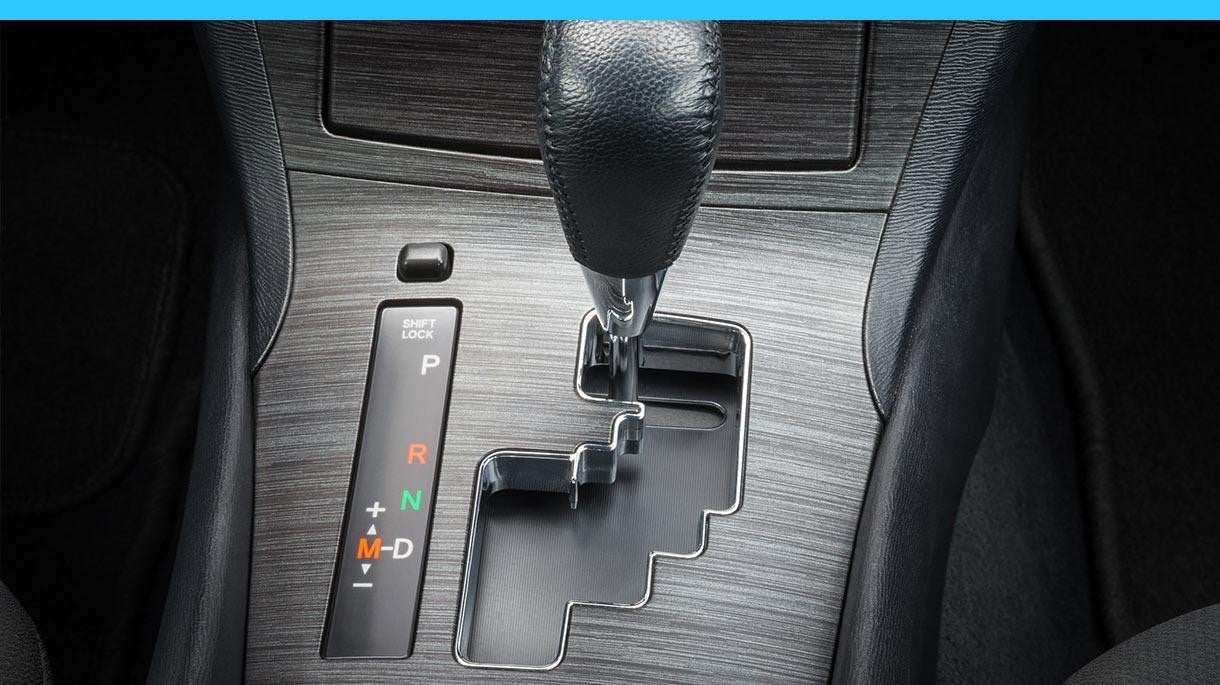
A transmission’s location will vary based on the type of automobile you have. For instance, a rear-wheel-drive (RWD) car will usually have the transmission mounted to the back of the engine. This will then be under a hump in the center of the floorboard beside the position of the gas pedal. Meanwhile, a front-wheel-drive (FWD) vehicle will have the transmission combined with the final drive, giving you a transaxle. In this case, the engine is usually mounted sideways in the car, with the transaxle being tucked underneath it.
These are the most common layouts, but there are other ones available. For instance, you could have a FWD car that has the engine mounted to the back instead of sideways. Conversely, you may have a RWD vehicle with the transmission mounted directly to the final drive in the rear, which is connected by a drive shaft to a torque converter that’s mounted on the engine.
With so many possible locations, it’s generally a good idea to refer to your owner’s manual to find the exact location of the transmission in your vehicle.
Signs You Need a new Transmission
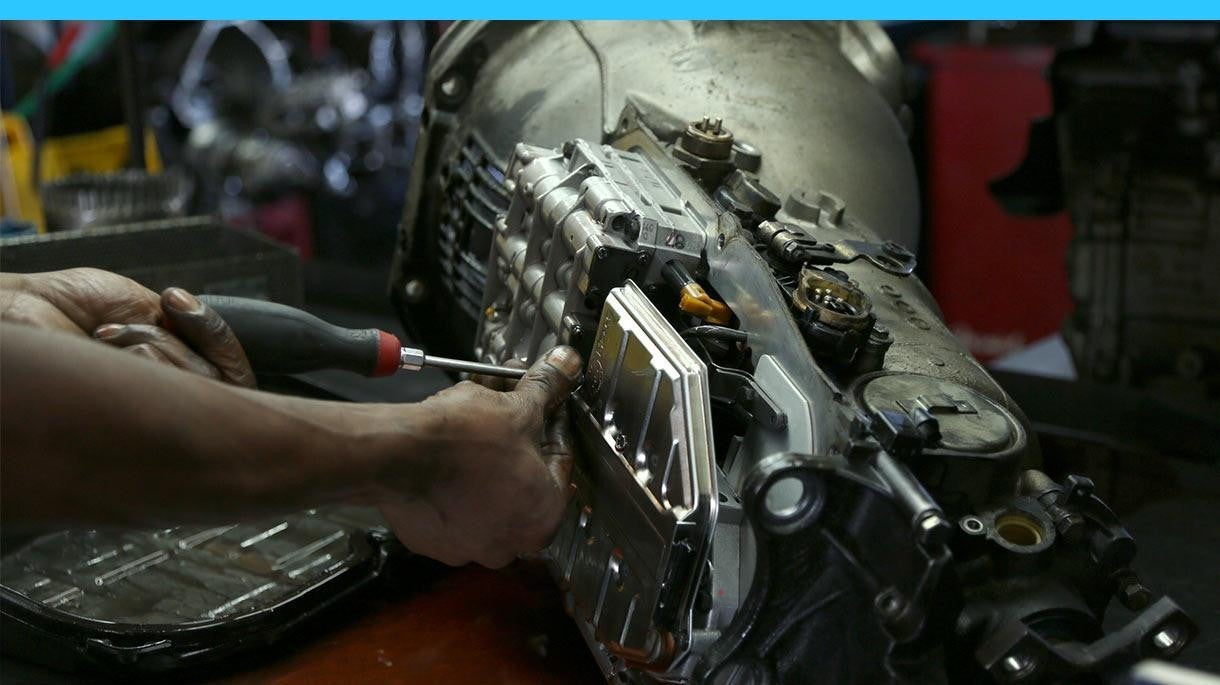
A transmission can last anywhere from 30,000 miles all the way up to 100,000 miles. In the meantime, there are some signs that’ll help indicate when a transmission may be failing. These include:
Odd smell - Transmission fluid typically has a slightly sweet or tart odor. If you suddenly notice a light burning odor, you’ll want to get a transmission fluid change as soon as possible.
Strange noises - Noises can differ based on whether your car is equipped with a manual or automatic transmission. There may be an abrupt grinding noise in a manual transmission while it’s shifting into a gear. With an automatic transmission, you may hear a whining, buzzing, or humming sound as the vehicle is shimmying into each gear.
Delayed movement - If there’s any sort of hesitation when shifting gears, you may have a worn-out clutch or a more serious transmission issue.
Fluid leak - Unlike an engine, the transmission doesn’t consume or burn up fluid when in use; if you’re running low on fluid, it’s most likely from a leak.
When to change your transmission fluid
You should always change your transmission fluid at the proper interval, but knowing that interval can be a bit tricky. We recommend checking your vehicle owner’s manual for the maintenance schedule for your car. It may give you model-specific information.
The fluid change interval typically differs depending on the type of transmission your car has. For a manual transmission, you’ll want to have your transmission fluid replaced every 30,000 to 60,000 miles. If you put your vehicle through heavy-duty use, you may want to change your fluid every 15,000 miles. With an automatic transmission, the possible range is much larger, so it’s even more important to check your owner’s manual. Some cars will need a fluid change every 30,000 miles, while others will never need one. The most common range, however, is between 60,000 and 100,000 miles.
What are the Signs You Need Your Transmission Fluid Changed? There are instances when you’ll need your transmission fluid changed more frequently. If you notice any of these warning signs, take your car to a licensed technician:
Blackened Fluid - Clean transmission fluid has a pinkish to reddish hue and should be translucent. Over time, it turns brown, which isn’t a problem itself. But if it turns black and/or burnt, you need a fluid change ASAP.
Unexplained Surging - If your fluid is dirty, it may prevent consistent flow through the transmission system. This can cause your car to surge forward or backward for no apparent reason when you use the accelerator.
How to check transmission fluid
Before you can even check your transmission fluids, you will have to drive your vehicle first for some time to warm up the fluids. When you get back from driving it around, you will want to park the car but keep the engine running.
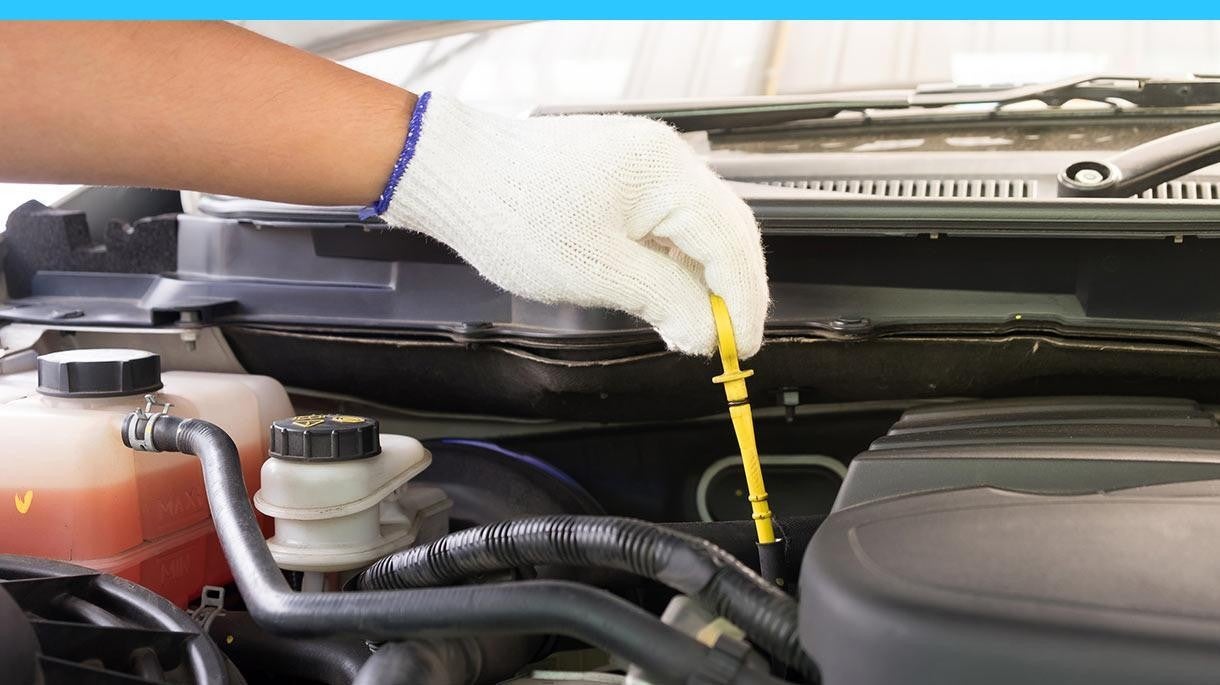
Go ahead and open the hood and take out the dipstick associated with the transmission fluids. This may be situated in different places depending on the vehicle. So, if you have trouble locating where it is, refer to your owner’s manual to see where to look.
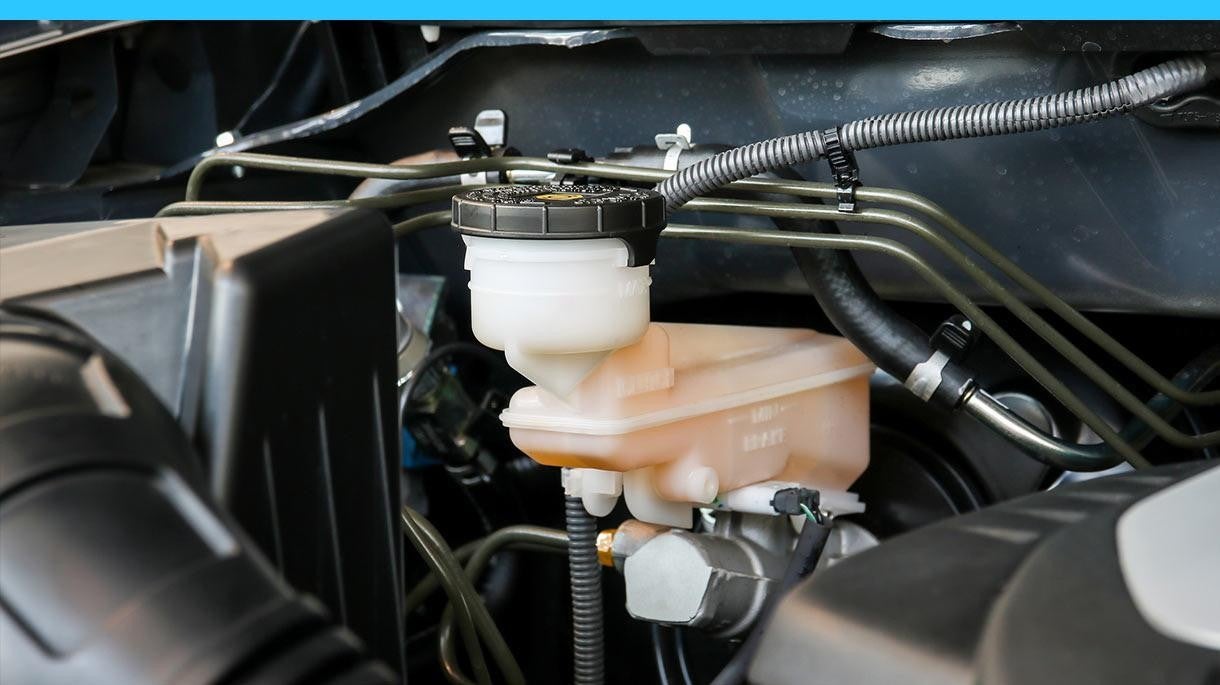
Once you do find it and remove it, you then want to clean it off before putting it back into its slot. You’ll also want to make sure you wipe it off onto something clean like a towel, so you can inspect the oil that is left on it. Identify its color and notice if there is an unusual smell coming off the fluid. A good indication your transmission fluids are fine is if you see a red translucent color on the towel. If it is a darker color like brown or black, the fluids will need to be changed.
If the color is good and there isn’t a burnt smell, you can go ahead onto the next step to determine if you have enough transmission fluids inside your vehicle. Remove the dipstick for a second time and take a look to see how far up the stick the fluid reaches. You will see two markings, which are usually labeled HOT and COLD. If you see the fluids near the higher end of the mark that reads HOT, then you have the proper amount of fluids.
In a case where the fluids read lower than that, you will have to add and refill more. You can have our technicians do this or can fill it yourself. Just make sure you use the right type of transmission fluid for your vehicle.
Schedule Your Fluid Check today
Now that you know how often to change transmission fluid, you can plan all your service intervals around your Harrisburg, Mechanicsburg & Trevose driving.
When you need your transmission fluid (or any other fluid) checked or changed, trust the professionals at Faulkner Automotive Group for quality maintenance. Contact one of our dealerships today to set up your service appointment!